8 August 2026
Seasonality pushing rejections and rates higher ahead of the Fourth
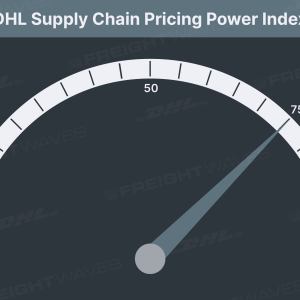
This week’s DHL Supply Chain Pricing Power Index: 75 (Carriers) Last week’s DHL Supply Chain Pricing Power Index: 70 (Carriers) Three-month DHL Supply Chain Pricing Power Index Outlook: 70 (Carriers) The DHL Supply Chain Pricing Power Index uses the analytics and data in FreightWaves SONAR to analyze the market and estimate the negotiating power for rates between shippers and carriers. The Pricing Power Index is based on the following indicators: Load volumes: Absolute levels positive for carriers, momentum neutral The Outbound Tender Volume Index at 15,980 is nominally higher now than basically at any point in the past 12 months with the exception of the week prior to Thanksgiving/Black Friday last year. OTVI captures all electronic tenders, including rejected ones, so when accounting for the rejection rate, we can get an even more accurate look at volumes. OTVI rose through the back half of May into the national holiday and has risen even further since. Throughout the back half of May and into the middle of June, tender rejections declined substantially.
About this report
Downunder Voices provides an independently written summary and community perspective based on information published by the original source. The original publisher remains responsible for its reporting.
Join our community
Follow Downunder Voices
Join thousands of readers following news and community stories from Australia, New Zealand and the Pacific.


